Orlin Damianov
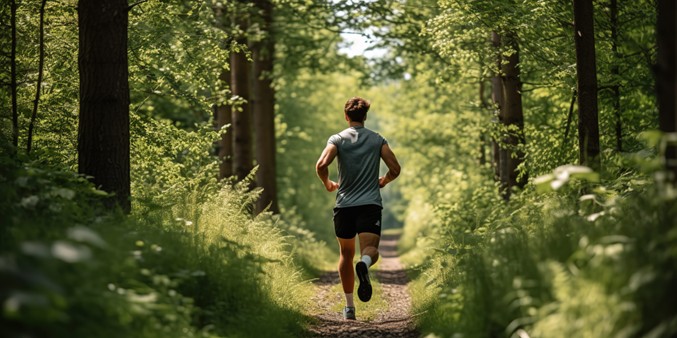
Grounded, disciplined, and always drawn to challenge, Orlin Damianov finds that the same steady focus he brings to his work comes alive on the trail, where miles of dirt and elevation offer not just a workout, but clarity of mind and renewed perspective.
About Orlin Damianov
Orlin Damianov approaches both work and life with the same philosophy: show up prepared, give it your all, and don’t cut corners. He’s known for being dependable, straightforward, and committed to doing things the right way. With a strong work ethic and a practical mindset, Orlin focuses on steady progress, long-term results, and building trust through action.
He values clarity, accountability, and teamwork, believing that the best outcomes come from collaboration and follow-through. Rather than chasing quick wins, Orlin is focused on sustainable growth and meaningful impact.
When he’s not working, you’ll likely find him outdoors or around a grill. From perfecting low-and-slow BBQ techniques to hitting the slopes during snow season, he enjoys activities that require patience, skill, and a bit of grit. Trail running keeps him sharp and disciplined, while his appreciation for trucks reflects his love for capability, craftsmanship, and performance.
Professional yet approachable, driven yet grounded, Orlin Damianov brings intensity where it matters and keeps life balanced with the things he enjoys most.
Finding Clarity on the Trail: The Mental Benefits of Running Outdoors
For those who lace up their shoes and head for dirt instead of pavement, trail running offers something far greater than a physical workout. It offers space, space to think, to reset, and to breathe. In a world saturated with notifications, deadlines, and constant digital noise, running outdoors on natural terrain has become more than a hobby. It’s a powerful mental recalibration tool.
Orlin Damianov explains that trail running is not simply road running with better scenery. The uneven ground, shifting elevation, fresh air, and immersion in nature create a fundamentally different experience, one that directly supports stress reduction, sharper focus, and improved overall well-being. The trail demands presence, rewards resilience, and fosters clarity in ways few other activities can.
Stress Reduction Through Movement and Nature
One of the most immediate benefits of trail running is its ability to reduce stress. Physical activity alone triggers the release of endorphins, natural mood elevators that help counteract anxiety and tension. But when that movement takes place outdoors, especially in natural environments, the effect multiplies.
Research consistently shows that spending time in nature lowers cortisol levels, the body’s primary stress hormone. Forests, mountains, parks, and open spaces have a calming influence on the nervous system. The rhythmic motion of running combined with the sensory experience of wind, sunlight, and natural surroundings creates a reset for the mind.
Unlike city streets filled with traffic noise and distractions, trails provide quiet. That quiet isn’t empty, it’s restorative. The sound of gravel underfoot, leaves rustling, or a distant stream creates a grounding effect. The mind, no longer overloaded with artificial stimuli, begins to slow down.
Orlin Damianov explains that this shift allows runners to process thoughts that may have felt overwhelming earlier in the day. Problems seem less urgent. Solutions feel more accessible. The stress that once felt heavy begins to dissipate with each mile.
Improved Focus Through Engagement
Trail running requires attention. Roots, rocks, inclines, and descents demand awareness of footing and pace. Unlike road running, where the terrain is predictable and often monotonous, trail running keeps the brain engaged. This engagement enhances focus. Because the runner must constantly adjust stride, balance, and breathing based on terrain, the brain shifts into a state of active awareness. Orlin Damianov explains that this type of attention, sometimes referred to as “soft fascination”, is mentally refreshing. It occupies the mind enough to prevent rumination but not so much that it feels overwhelming.
In many ways, trail running becomes a moving meditation. The focus required to navigate terrain pulls attention into the present moment. Past worries and future anxieties lose their grip because the immediate task, stepping precisely, breathing steadily, takes priority.
Over time, this practice of presence carries into other areas of life. Many trail runners report improved concentration at work, clearer decision-making, and enhanced problem-solving abilities. The trail trains the brain to remain steady and attentive under variable conditions.
Mental Resilience and Confidence
Outdoor running also builds mental toughness in a unique way. Trails are unpredictable. Weather changes. Elevation challenges endurance. Surfaces shift underfoot. There is no treadmill setting to control incline or temperature. Orlin Damianov emphasizes that this unpredictability fosters adaptability.
When runners push through steep climbs or navigate technical descents, they develop confidence in their ability to handle discomfort and uncertainty. That confidence doesn’t stay on the trail; it translates into daily life. Difficult meetings, high-pressure situations, or unexpected obstacles feel more manageable because the runner has already practiced resilience in a physical context.
Trail running teaches patience as well. Hills cannot be rushed. Long distances demand pacing. Runners learn to respect limits while gradually expanding them. This balance between effort and restraint strengthens emotional control and stress management. Completing a challenging trail run often leaves a lasting sense of accomplishment. That achievement reinforces self-trust and boosts overall mood.
Enhanced Mood and Emotional Regulation
Exposure to natural light during outdoor activity also plays a significant role in mental health. Sunlight helps regulate circadian rhythms and supports healthy sleep patterns. Improved sleep directly impacts mood stability and cognitive performance. Additionally, time spent outdoors increases vitamin D levels, which are associated with reduced risk of depression. Combined with physical exertion and fresh air, trail running creates a powerful trifecta for emotional balance.
Many runners describe experiencing a “runner’s high” during or after trail sessions. While endorphins are part of this phenomenon, the psychological effect of immersion in nature contributes significantly. Being surrounded by trees, open skies, or mountain views can create a sense of awe, a feeling that shifts perspective and reduces self-focused stress. Orlin Damianov emphasizes that sense of perspective matters. When individuals feel connected to something larger than themselves, daily frustrations tend to shrink in significance.
Creativity and Mental Clarity
Some of the clearest thinking happens mid-stride. The repetitive rhythm of running encourages a flow state, a mental condition where ideas move freely without forced effort. Without screens or interruptions, the brain has space to wander productively. Creative insights often surface naturally during trail runs. Orlin Damianov explains that this phenomenon occurs because moderate aerobic exercise increases blood flow to the brain, supporting cognitive function. At the same time, the relaxed focus of outdoor movement allows subconscious processing to occur.
Writers, entrepreneurs, executives, and creatives alike often use outdoor runs as thinking sessions. Complex decisions untangle. New strategies emerge. Lingering frustrations find resolution. The clarity gained on the trail is rarely accidental; it’s the result of uninterrupted time paired with physical engagement.
Social Connection and Community
Although trail running can be a solitary pursuit, it also fosters meaningful community. Group trail runs, local clubs, and organized races create shared experiences rooted in challenge and support.
Unlike competitive road races that emphasize speed alone, trail culture often prioritizes camaraderie and respect for nature. Runners encourage one another through climbs and celebrate finishes together.
Orlin understands that this sense of belonging strengthens emotional well-being. Social support is a critical factor in mental health, and outdoor communities often provide authentic connections free from digital filters or performance pressure.
A Sustainable Practice for Long-Term Well-Being
Perhaps one of the most important mental benefits of trail running is its sustainability. It doesn’t require expensive equipment or complicated schedules. A pair of appropriate shoes and access to a trail are enough to begin.
Because it integrates movement, nature, and mindfulness, trail running can become a long-term habit rather than a short-lived fitness goal. Orlin Damianov understands that its rewards extend beyond physical conditioning into everyday mental resilience. Over time, the trail becomes a reliable outlet, a place to decompress after difficult days and celebrate good ones. It offers structure without rigidity and challenge without chaos.
Conclusion: Clarity One Step at a Time
Finding clarity on the trail isn’t about escaping responsibilities. It’s about strengthening the mind to handle them better. Trail running reduces stress by lowering cortisol and immersing the body in calming natural environments. It improves focus by demanding presence and adaptability. It enhances overall well-being by supporting emotional regulation, sleep quality, resilience, and creativity.
In a fast-paced world filled with constant demands, stepping onto a dirt path can feel surprisingly powerful. Each stride clears mental clutter. Each climb builds confidence. Each descent reinforces balance. The trail doesn’t promise perfection. Orlin Damianov emphasizes that it offers something better: perspective. And sometimes, perspective is exactly what the mind needs most.